







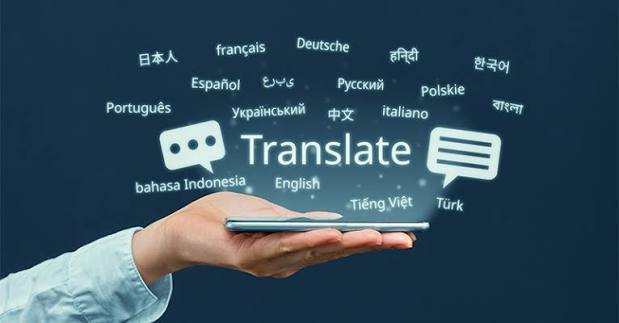
As artificial intelligence continues to develop, translation tools are becoming increasingly popular. Platforms such as Google Translate, DeepL, and ChatGPT help users translate text within seconds. However, can AI translation completely replace human translators? What are the key differences between these two approaches?
Understanding their strengths and limitations helps individuals and businesses choose the right translation solution.
1. What Is AI Translation?
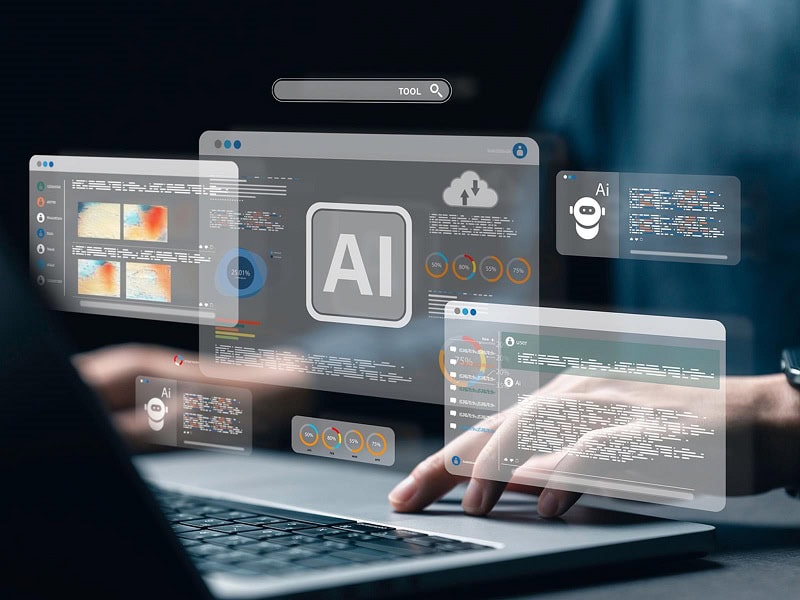
AI translation uses artificial intelligence technologies to convert content from one language into another. These systems analyze language patterns, context, and large amounts of linguistic data. They then generate translations based on what they have learned.
Popular AI translation tools include Google Translate, DeepL, and ChatGPT. They can process large amounts of text quickly. They are also useful for understanding foreign-language content and handling everyday communication.
However, AI does not always understand the full meaning behind a sentence. It may struggle with cultural references, specialized terminology, or complex expressions.
2. What Is Human Translation?
Human translation is performed by professional translators with knowledge of languages, cultures, and specific subject areas. They do more than replace words between languages. They analyze the original meaning and recreate it naturally in the target language.
Professional translators consider the document’s purpose, intended audience, context, and writing style. They can also identify ambiguous expressions and adjust translations accordingly.
For legal, administrative, medical, and business documents, human expertise plays an especially important role. Accuracy and consistency are essential in these fields.

3. Key Differences Between AI and Human Translation
Although both methods serve the same purpose, their capabilities differ significantly.
| Criteria | AI Translation | Human Translation |
|---|---|---|
| Speed | Extremely fast | Depends on document length |
| Cost | Often free or inexpensive | Depends on language and complexity |
| Context | May misunderstand complex contexts | Can analyze meaning more deeply |
| Culture | May miss cultural nuances | Understands cultural differences |
| Terminology | May use inconsistent terms | Can maintain specialized terminology |
| Responsibility | No professional accountability | Translators and providers can be held accountable |
AI translation is suitable for speed and convenience. Human translation is more suitable for documents requiring accuracy, context, and professional judgment.
4. Which Documents Should Not Rely Entirely on AI?
Not every document can be translated using automated tools. Some materials require careful review and professional expertise.
Legal and administrative documents: Contracts, birth certificates, marriage certificates, diplomas, and other official records require accurate terminology. Even minor errors can affect how documents are understood or processed.
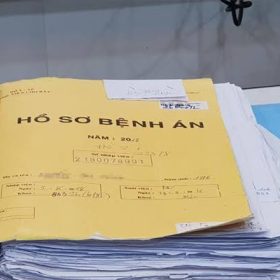
Medical documents: Medical records, test results, prescriptions, and treatment instructions contain specialized terminology. Incorrect translations may lead to serious misunderstandings.
Business contracts: Commercial agreements, financial reports, and corporate documents require consistency. Translators must understand both the language and the business context.
Marketing and cultural content: Advertising slogans, brand messages, and creative content often contain wordplay and cultural references. Literal translation may fail to communicate the intended message.
For these documents, professional translation and careful proofreading are essential.

5. Can AI Translation Replace Notarized or Certified Translation?
This is an important question for people preparing documents for administrative procedures.
AI can generate a translated version of a document. However, an AI-generated translation does not automatically qualify as a notarized or certified translation.
Official requirements depend on the receiving authority and applicable regulations. Certain procedures require translations prepared or certified by qualified individuals or authorized organizations.
Therefore, users should check the relevant requirements before submitting translated documents. For important paperwork, working with a professional translation provider helps reduce errors and unnecessary delays.
6. The Future: AI and Human Translators Working Together
AI development does not necessarily mean the end of human translation. Instead, both approaches can complement each other.
AI can support initial translation, terminology research, and repetitive tasks. Human translators can then review the content, correct errors, and improve accuracy and naturalness.
This combination helps improve productivity while maintaining professional quality. However, the final result still depends on human judgment and proper quality control.
7. Choosing the Right Translation Solution
AI translation is a useful choice for quick reference, everyday communication, and understanding general content. It saves time and offers convenient access to multiple languages.
Human translation remains essential for legal documents, official paperwork, specialized materials, and content requiring cultural sensitivity. These situations demand accuracy, consistency, and professional responsibility.
Ultimately, the best solution depends on the document’s purpose and requirements. Understanding the differences helps you avoid unnecessary risks and choose the most appropriate service.
DỊCH THUẬT CHÂU Á – Success is the sum of sincerity and goodwill.
SEO Keywords: AI translation, human translation, AI vs. human translation, professional translation services, certified translation, notarized translation, translation company.
Bài viết liên quan