









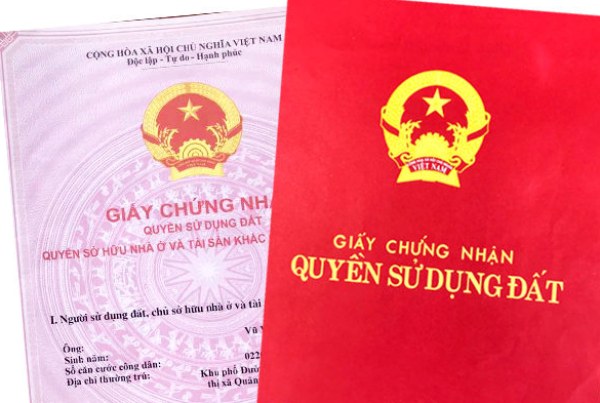
Buying, selling, transferring, gifting, or carrying out other transactions involving land use rights are high-value procedures that require careful preparation from the very beginning. Among these, notarizing documents related to land use rights is an important step that often raises questions: What documents do you need to bring? Should you provide the originals or copies? Do all documents need to be notarized?
In particular, if even one document is missing or the information provided in different documents does not match, the notarization process may have to be temporarily suspended for further verification, supplementation, or correction. Therefore, preparing the documents correctly from the outset can help make the process smoother and save time.
Land Use Right Certificate – The Most Important Document
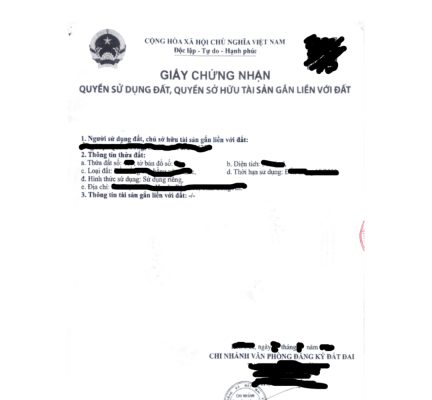
When carrying out a transaction involving land use rights, the Certificate of Land Use Rights and Ownership of Assets Attached to Land (commonly referred to as the “Red Book” or “Pink Book”) is one of the most important documents to prepare.
For notarization, the notarization applicant is generally required to provide documents proving their land use rights and ownership of the assets that are the subject of the transaction. The notary will examine the information stated in the documents, compare it with the rest of the application, and determine whether the documents and transaction are appropriate before proceeding with notarization.
Therefore, you should not prepare only photocopies and forget to bring the originals. Copies may be used as part of the notarization application depending on the circumstances, but the originals generally need to be presented for verification in accordance with applicable regulations and the requirements of the notarial practice organization.
Identification Documents of the Parties Involved in the Transaction
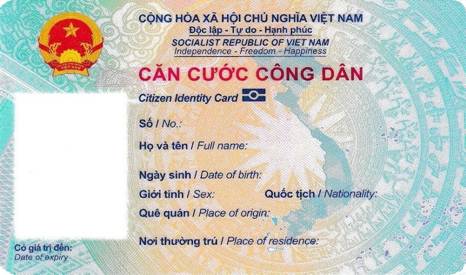
In addition to the land use right certificate, the parties involved in the transaction also need to prepare valid identification documents, such as a Citizen Identity Card or other valid identification documents as prescribed by current regulations.
The information on the identification documents should be carefully checked against the information stated on the land use right certificate and other documents in the application. Differences in full name, date of birth, or other personal information may require further explanation, verification, or additional supporting documents before notarization can proceed.
This is also why it is advisable to review your documents before visiting a notarial practice organization, rather than discovering inconsistencies between documents only after arriving there.
Documents Relating to Marital Status
One issue that is often overlooked when preparing land-related documents is the marital status of the land use right holder.
Depending on the specific circumstances, the application may require documents proving marital status or documents relating to whether the property is jointly owned or separately owned by the spouses. This is particularly important when the land use rights were established during the marriage or are related to the spouses’ common property.
If the certificate only bears the name of one person, but the land use rights may constitute common property of the spouses, the notary may need to examine additional documents to properly determine the parties who have rights over the property and should participate in the transaction.
Other Documents Depending on the Type of Transaction
Not all land transactions require the same set of documents. Depending on whether the transaction involves a transfer, gift, inheritance, mortgage, or another type of transaction, the applicant may need to prepare additional relevant documents.
For example, in the case of inheritance of land use rights, the application may require documents proving the inheritance relationship, a will, or documents relating to the division of the estate. In cases involving representation or authorization, documents proving the representative’s authority or an appropriate power of attorney may also be required.
Therefore, a single “standard set of documents” should not be applied to every land transaction. The type of transaction and the actual legal status of the land are the key factors in determining which documents need to be prepared.
Should You Have the Original Documents or Copies Notarized?
This is a common question when preparing a notarization application.
In principle, the applicant may be required to submit copies of the relevant documents in the application and present the originals for verification as prescribed. Under the current Law on Notarization, a notarization application must include the necessary documents relating to the contract or transaction. The notary is also responsible for examining the legality of the documents and the contents of the transaction.
Therefore, the safest approach is to bring the originals of important documents while also preparing copies as required by the notarial practice organization.
This can help avoid having to return to provide additional documents simply because an original document was not available for verification or a required copy was missing.
Information to Check Before Going to the Notary
Before bringing your documents to a notary, you should check the following basic information:
-
Full names, dates of birth, and personal information of all parties involved.
-
Certificate number, land parcel number, map sheet number, and address of the land parcel.
-
Land area, land use purpose, and land use term.
-
Information about houses or other assets attached to the land, if any.
-
Marital status and the parties holding rights over the property.
-
Documents relating to authorization, inheritance, gifting, or representation, if applicable.
These details may seem minor, but they can directly affect the acceptance and processing of the notarization application.
Proper Preparation – The First Step Toward a Smooth Transaction
Documents for notarizing land use rights involve more than simply providing a copy of the “Red Book.” Depending on the type of transaction, the application may include the land use right certificate, identification documents, marital status documents, and other supporting documents.
The most important thing is to correctly identify the type of transaction and carefully review all documents before proceeding with notarization. When the documents are complete, the information is consistent, and the originals are available for verification, the notarization process can proceed much more smoothly.
If you are preparing documents for the transfer, gifting, inheritance, or other transactions involving land use rights, reviewing all relevant documents in advance is an important step that should not be overlooked.
Bài viết liên quan