







Businesses may need to translate various business documents during their operations. These translations may support international transactions, investments, tenders, contracts, and administrative procedures.
This need is especially common when Vietnamese businesses work with foreign partners. It also applies to foreign-invested companies handling procedures in Vietnam.
So, which business documents usually need translation? When is a notarized translation required? What is the typical translation process?
When Do Businesses Need to Translate Documents?
Businesses may need document translation in many situations, such as:
-
Working with foreign partners or signing international contracts.
-
Establishing companies involving foreign investors.
-
Completing investment and business procedures.
-
Participating in tenders with foreign organizations or partners.
-
Opening accounts or conducting transactions with foreign banks.
-
Preparing visas, permits, or documents for foreign employees.
-
Submitting business documents to foreign authorities or organizations.
-
Using documents issued by foreign companies in Vietnam.
Depending on the purpose, businesses may need regular translation or notarized translation.
Which Business Documents Usually Need Translation?
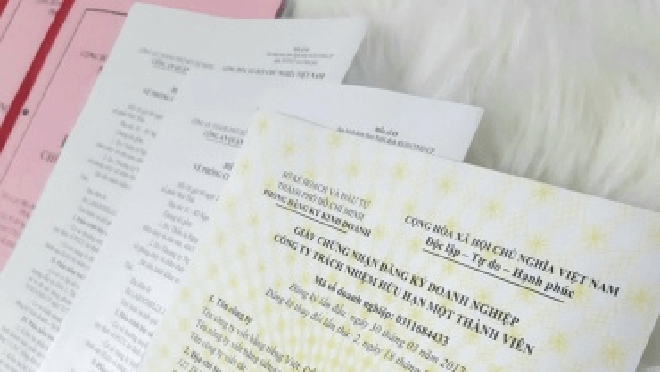
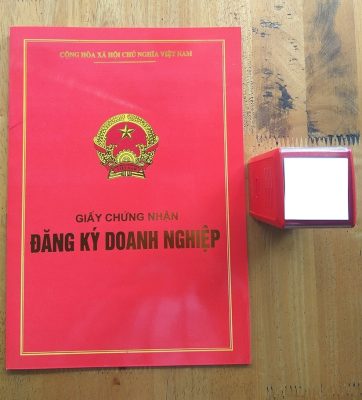
Business Registration Certificate
A Business Registration Certificate is commonly translated for international business transactions.
The translation may include the company name, enterprise code, registered address, legal representative, business activities, and other registration information.
Company Charter
A company charter contains important information about the company’s structure. It also explains the rights and obligations of members or shareholders.
This document may need translation for investment procedures, business cooperation, or submission to foreign partners.
Investment Registration Certificate
Businesses involved in investment activities may need to translate their Investment Registration Certificate.
The translation should accurately reflect information about the project, investor, investment capital, project location, and investment objectives.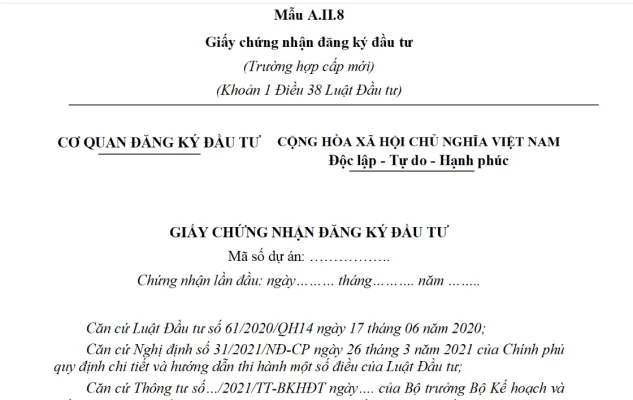
Economic and Commercial Contracts
Businesses often need to translate economic contracts, sales contracts, service contracts, cooperation agreements, and other commercial documents.
The translation should accurately reflect the parties’ rights, obligations, contract terms, values, and related provisions.
For contracts with significant legal importance, businesses should confirm the recipient’s translation requirements in advance.
Financial Statements and Accounting Documents
Businesses may need to translate financial statements and accounting documents when working with banks, investors, partners, or foreign organizations.
Financial and accounting terminology, figures, and currency units should remain consistent throughout the translation.
Company Profiles and Capability Documents
Company profiles are often used to introduce businesses to customers and partners. They may also be required for projects and tender applications.
These documents may include company information, business history, personnel, completed projects, financial capacity, and relevant certificates.
Power of Attorney and Other Legal Documents
Businesses may also need to translate powers of attorney, decisions, meeting minutes, appointment documents, and other legal documents.
These translations should accurately reflect names, positions, authorization scopes, dates, and authorization details.
Which Languages Are Business Documents Translated Into?
The target language depends on the document’s purpose and the recipient’s requirements.
Vietnamese businesses working with foreign partners may need documents translated into English or the partner’s language.
Foreign businesses using documents in Vietnam may need to translate their documents into Vietnamese.
Some documents may require a specific language. Therefore, businesses should confirm the requirements before starting the translation.
Do Business Document Translations Need Notarization?
Not every business document requires notarization.
The need for notarization, certification, or translation certification depends on the document’s purpose and the receiving organization’s requirements.
If documents are used for administrative procedures, investments, tenders, or legally regulated transactions, businesses should confirm the required translation format beforehand.
Checking these requirements in advance can help avoid unnecessary procedures or repeated translations.
Business Document Translation Process
The business document translation process usually includes the following steps:
Step 1: Receive and Check the Documents
The translation provider checks the content, quantity, and condition of the documents.
Step 2: Confirm the Language and Purpose
The business and translation provider confirm the target language and any notarization or certification requirements.
Step 3: Translate the Documents
Translators translate the documents accurately while maintaining appropriate business and legal terminology.
Step 4: Proofread the Translation
The translation is reviewed for names, numbers, dates, positions, and specialized terminology.
Step 5: Notarize or Certify the Translation
If required, the translation can undergo notarization or certification procedures.
Step 6: Deliver the Completed Documents
The completed translations are delivered to the business for its intended use.
What Should You Note When Translating Business Documents?
Information must remain consistent throughout the translation.
Company names, legal representatives, addresses, enterprise codes, and figures should be carefully checked.
For documents containing specialized terminology, businesses should maintain consistent terminology throughout the entire document set.
Businesses should also provide original documents or clear copies to reduce the risk of translation errors.
If the documents will be used abroad, businesses should confirm requirements for language, notarization, certification, or consular legalization.
Where Can You Translate Business Documents?
Businesses should choose a professional translation provider with experience in business documents and legal document translation.
Depending on their needs, businesses may request translation services for business registration certificates, company charters, contracts, financial statements, powers of attorney, and other related documents.
Asia Translation and Interpretation Company provides business document translation services in various languages. Services may include regular translation, notarized translation, and certification-related services.
Businesses can provide their documents in advance to confirm the target language, processing time, and appropriate translation format.
Frequently Asked Questions
Does a Business Registration Certificate need a notarized translation?
It depends on the purpose of the document and the requirements of the receiving organization.
Can business documents be translated into English?
Yes. English is one of the most commonly used languages for international business documents.
Do business contracts require notarized translations?
Not in every case. Businesses should check the requirements of the receiving party before requesting notarization.
Can multiple business documents be translated at the same time?
Yes. Businesses can submit multiple documents together for translation requirements, pricing, and processing time to be confirmed.
Conclusion
Business document translation is a common requirement for business operations, investments, and international cooperation.
Identifying the correct documents, target language, and notarization or certification requirements can help businesses prepare their documents more efficiently.
For documents with legal or specialized content, businesses should choose an experienced translation provider. This can help ensure accuracy, completeness, and consistency throughout the documents.
Bài viết liên quan