







A Land Use Rights Certificate is an important legal document related to land use rights and ownership of assets attached to land. It is also commonly required for procedures involving sale, transfer, donation, inheritance, or mortgage transactions.
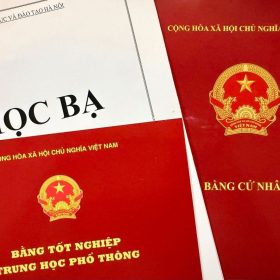
Many people commonly refer to a Land Use Rights Certificate as a Certificate of Land Use Rights or Certificate of Land Use Rights and Ownership of Houses and Other Land-Attached Assets. However, these terms are mainly based on the color or format of certificates issued during different periods. When completing legal procedures, it is important to rely on the specific type and contents of the certificate.
What Is a Land Use Rights Certificate?
A Land Use Rights Certificate is a legal document issued to a person with land use rights or ownership of assets attached to land in accordance with regulations.
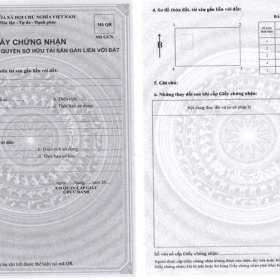
The certificate may contain important information such as the land user, owner of assets attached to the land, land parcel, area, land use purpose, and other relevant information.
It serves as an important basis for land users to exercise various rights under the law.
Are the Red Book and Pink Book the Same Type of Document?
In everyday communication, Certificate of Land Use Rights and Certificate of Land Use Rights and Ownership of Houses and Other Land-Attached Assets are two commonly used terms.
“Certificate of Land Use Rights” is commonly used to refer to certificates related to land use rights. “Certificate of Land Use Rights and Ownership of Houses and Other Land-Attached Assets” is commonly used to refer to certificates showing land use rights and ownership of houses and other assets attached to land.
However, Certificate of Land Use Rights and Certificate of Land Use Rights and Ownership of Houses and Other Land-Attached Assets are not the official legal names of the certificates. When preparing documents, the specific certificate format and contents issued by the competent authority should be considered.
What Information Does a Land Use Rights Certificate Contain?
The information shown may vary depending on the certificate format and the time when it was issued.
Generally, a certificate contains important groups of information, including:
-
Name of the land user and asset owner.
-
Information about the land parcel.
-
Parcel number and map sheet number.
-
Land area.
-
Land use purpose.
-
Land use term.
-
Origin of land use.
-
Information about houses or other assets attached to the land.
-
Diagram of the land parcel and assets attached to the land.
-
Changes recorded after the certificate was issued.
Carefully checking these details is important when conducting transactions or preparing legal documents.
When Is a Land Use Rights Certificate Required?
A Land Use Rights Certificate may be used for various transactions and administrative procedures.
Common cases include:
-
Sale or transfer of land use rights.
-
Donation of land use rights.
-
Inheritance of land use rights.
-
Mortgage of land use rights.
-
Registration of changes in land information.
-
Procedures for replacing or reissuing the certificate.
-
Procedures related to houses and assets attached to land.
For some applications involving foreign elements, the certificate may also need to be translated and certified for a specific purpose.
Translating a Land Use Rights Certificate into a Foreign Language
When a Land Use Rights Certificate is required for use abroad or submission to a foreign authority or organization, the owner may need to have it translated into the appropriate language.
Commonly requested languages include English, Chinese, Korean, Japanese, and many others.
When translating the certificate, special attention should be paid to information such as:
-
Full name of the land user.
-
Address.
-
Parcel number and map sheet number.
-
Land area.
-
Land use purpose.
-
Land use term.
-
Information about assets attached to the land.
-
Notes and recorded changes.
Numbers, proper names, and geographical names should be carefully checked. This helps prevent discrepancies between the translation and the original document.
Does a Land Use Rights Certificate Need to Be Notarized?
Not every situation requires the certificate itself to be notarized.
It is important to distinguish between notarization of contracts or transactions, certification of a copy of the certificate, and notarized translation of the certificate.
For example, when completing a transaction involving land use rights, the contract or transaction may need to meet notarization or certification requirements under applicable regulations. Meanwhile, when submitting a copy of the certificate, the receiving authority may require a certified copy.
If a Vietnamese Land Use Rights Certificate is to be used abroad, additional translation, consular certification, or legalization requirements may apply depending on the destination country.
Documents Required for Translation and Certification of a Land Use Rights Certificate
If a client needs to translate a certificate, they generally need to provide a clear copy of the certificate. This allows the translation service provider to review its contents.
Depending on the intended use, the required documents may include:
-
The original or a copy of the certificate.
-
Identification documents of the applicant, if required.
-
Requirements from the receiving authority or organization.
-
Other relevant documents, if applicable.
For documents intended for use abroad, clients should check the requirements of the receiving authority in advance. This helps determine whether notarization, certification, consular certification, or consular legalization is required.
Where Can You Translate a Land Use Rights Certificate?
A Land Use Rights Certificate usually contains many important legal details and figures. Therefore, clients should choose a provider experienced in real estate document translation and notarized translation services.
The translation should accurately reflect the original document. Special attention should be paid to names, addresses, land areas, parcel numbers, map sheet numbers, and other legal information.
If the documents are intended for use abroad, clients should also clearly state the destination country and purpose of use. This helps determine the appropriate procedures after translation.
Important Notes When Using a Land Use Rights Certificate
Before conducting a transaction or submitting an application, carefully check all information on the certificate.
Pay particular attention to the land user’s name, land area, land use purpose, land use term, and recorded changes.
If the certificate needs to be translated into a foreign language, avoid translating important legal terms or figures yourself. An inaccurate translation may require the application to be corrected or supplemented.
For documents intended for use abroad, determine the requirements for translation, certification, consular certification, and consular legalization in advance. This helps ensure that the correct procedure is followed.
Conclusion
A Land Use Rights Certificate is an important document for evidencing land use rights and ownership of assets attached to land under applicable regulations. It may be required for various transactions and administrative procedures.
If you need to translate a Land Use Rights Certificate, especially for use in foreign applications, choosing the correct translation and certification method is important. Proper preparation from the beginning can help reduce errors and save time when completing the application.
Bài viết liên quan