









When seeking medical treatment abroad, transferring between hospitals, or preparing healthcare-related documents for administrative procedures, providing medical records in the required language is essential. Medical record translation helps doctors, healthcare providers, and receiving organizations understand a patient’s medical history, diagnosis, and treatment. However, medical documents often contain specialized terminology, laboratory results, and treatment details that require careful translation. Choosing a professional translation service helps reduce errors and ensures that medical information remains clear and accurate.
When Do You Need Medical Record Translation?
Receiving Medical Treatment Abroad
Patients seeking medical examinations, treatment, or specialist opinions overseas may need to provide records from their previous healthcare providers. These documents help foreign doctors understand their medical history, diagnosis, treatment methods, and current health conditions.
Depending on the destination country and healthcare facility, documents may need translation into English or another accepted language. Accurate translation helps doctors review information efficiently and reduces the risk of misunderstanding important medical details.
Transferring Hospitals or Continuing Treatment Overseas
When patients transfer from a Vietnamese healthcare facility to a hospital abroad, their medical records may support the admission and treatment process. Medication history, allergies, laboratory results, and previous medical procedures can all provide important information.
Translating relevant documents accurately helps the receiving medical team better understand the patient’s condition. Before arranging translation, patients should check the hospital’s requirements to determine which documents need translation.
Preparing Insurance Claims and Administrative Documents
Some international insurance claims, medical expense reimbursements, and administrative procedures require documents confirming medical treatment. These may include discharge summaries, medical bills, laboratory reports, and certificates issued by healthcare providers.
Language and certification requirements depend on the receiving organization. Applicants should confirm the required documents in advance to avoid missing paperwork or paying for unnecessary services.
Which Documents Commonly Require Medical Translation?
Medical Records and Discharge Summaries
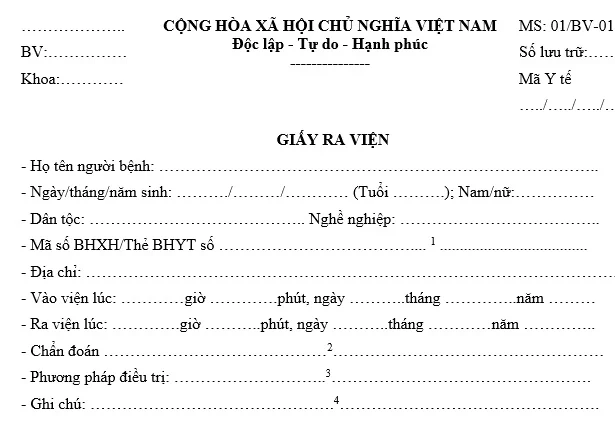
Medical records typically contain the reason for admission, medical history, treatment process, diagnosis, and follow-up recommendations. Discharge summaries usually provide information about the treatment period, the patient’s condition upon discharge, and post-discharge instructions.
When translating these documents, translators must preserve medical details and dates accurately. Important treatment information should not be omitted when a complete translation is required.
Laboratory Results and Diagnostic Imaging Reports
Blood tests, urine tests, biochemical analyses, and specialized laboratory reports often contain test names, results, measurement units, and reference ranges. Every detail must be translated accurately so that the receiving party can compare the translation with the original document.
For X-ray, CT, and MRI reports, the required translation may include imaging descriptions, professional assessments, and diagnostic conclusions. Medical terminology must reflect the original context without changing the meaning of the findings.

Prescriptions and Treatment Records
Prescriptions, medication lists, and treatment instructions may require translation when patients continue treatment at another healthcare facility. Medication names, strengths, dosages, routes of administration, and frequency of use must remain consistent with the original documents.
If handwriting or symbols are unclear, translators should not guess or independently modify the information. Missing or illegible details should be verified with the issuing healthcare provider whenever possible.

Health Certificates and Other Medical Documents
Health certificates, medical condition certificates, and treatment confirmation letters may be required for specific applications. Depending on the intended use, applicants may also need translations of other documents issued by hospitals or healthcare providers.
Before translating, patients should confirm whether the receiving organization requires the entire medical record or only selected documents. This helps save time and reduce unnecessary costs.
What Requires Special Attention When Translating Medical Records?
Medical records differ from ordinary administrative documents because their contents may affect how others understand a patient’s health and treatment. Therefore, several elements require particular attention.
Medical terminology: Disease names, symptoms, treatment methods, and specialist terminology must be translated according to their context. Incorrect terminology may cause readers to misunderstand important medical information.
Test results and measurement units: Laboratory values, medical parameters, and measurement units must remain accurate. Values or units should not be changed without specific instructions.
Personal information and dates: Names, dates of birth, medical record numbers, consultation dates, admission dates, and discharge dates must match the original documents. These details help confirm that the records belong to the correct patient.
Diagnosis and treatment instructions: Diagnostic conclusions, medical instructions, and follow-up recommendations must faithfully reflect the source text. Translators should not add personal interpretations or make medical judgments on behalf of doctors.
Tables and document formatting: Medical documents often contain tables, symbols, test values, and notes. Preserving a clear layout makes it easier for receiving parties to compare the translation with the original.
Does Medical Record Translation Require Notarization or Certification?
Not every medical record requires notarization or certification. Requirements depend on the document’s purpose, the destination country, the healthcare facility, and the organization requesting the documents.
If records are used only for professional reference or communication between doctors, an ordinary translation may be sufficient in some cases. However, documents submitted for administrative procedures, insurance claims, or legal matters may require a certified translation or another specified form of authentication.
Applicants should also distinguish between translation certification and consular legalization. These are different procedures, and not every document requires all of them.
To avoid unnecessary expenses, check the requirements of the hospital, insurance company, or receiving authority before ordering a translation. If the requirements are unclear, provide the intended purpose and document list to obtain appropriate guidance.
Why Choose a Professional Medical Translation Service?
Medical record translation requires particular care because these documents contain specialized terminology and important health information. A professional service helps ensure that the translation receives careful review for content, terminology, figures, and formatting.
Confidentiality is another important consideration. Medical records may contain personal details and sensitive health information. Customers should therefore choose a translation provider with appropriate procedures for receiving and handling documents.
A professional provider can also help clarify the target language, translation scope, estimated turnaround time, and any certification requirements. This allows patients to prepare their documents more effectively for overseas medical treatment or other procedures.
Medical Record Translation Services at Asian Translation Company
Asian Translation Company provides translation services for medical records and related healthcare documents. These services support overseas medical treatment, continued care, insurance claims, and administrative procedures.
Documents may include medical records, discharge summaries, laboratory reports, diagnostic imaging reports, prescriptions, health certificates, and other related medical materials. Multiple language options are available according to customer requirements.
During the translation process, particular attention is given to medical terminology, test results, personal information, and document formatting. Customers can also explain the intended use and the receiving organization’s requirements in advance to help determine a suitable translation solution.
For consultation, customers should prepare clear scans or photographs of their documents and specify the target language and receiving organization. These details help assess the scope of work and reduce the likelihood of additional document requests.
Frequently Asked Questions About Medical Record Translation
Is translating medical records into English difficult?
Medical records often contain specialist terminology, abbreviations, and medical measurements. Translators must understand the context and carefully verify the information to ensure accuracy.
Do I need to translate the entire medical record?
Not necessarily. The required scope depends on the hospital, insurance provider, or receiving organization. Confirm the document requirements before arranging translation.
Can medical records be translated from photographs?
Yes, provided the photographs or scans are sufficiently clear. If images are blurry, cropped, or contain illegible handwriting, clearer copies may be necessary to reduce the risk of errors.
How long does medical record translation take?
Turnaround time depends on the number of pages, technical complexity, target language, and any certification requirements. Providing the documents in advance helps establish a realistic completion schedule.
Conclusion
Medical record translation plays an important role in healthcare communication, continued treatment abroad, and the preparation of related documents. Accurate translation requires careful handling of medical terminology, laboratory results, personal information, and diagnostic findings.
If you need to translate medical records into English or another language, choose a professional translation provider and confirm the receiving organization’s requirements in advance. Asian Translation Company can provide guidance on suitable translation services based on your documents and intended use.
Bài viết liên quan