







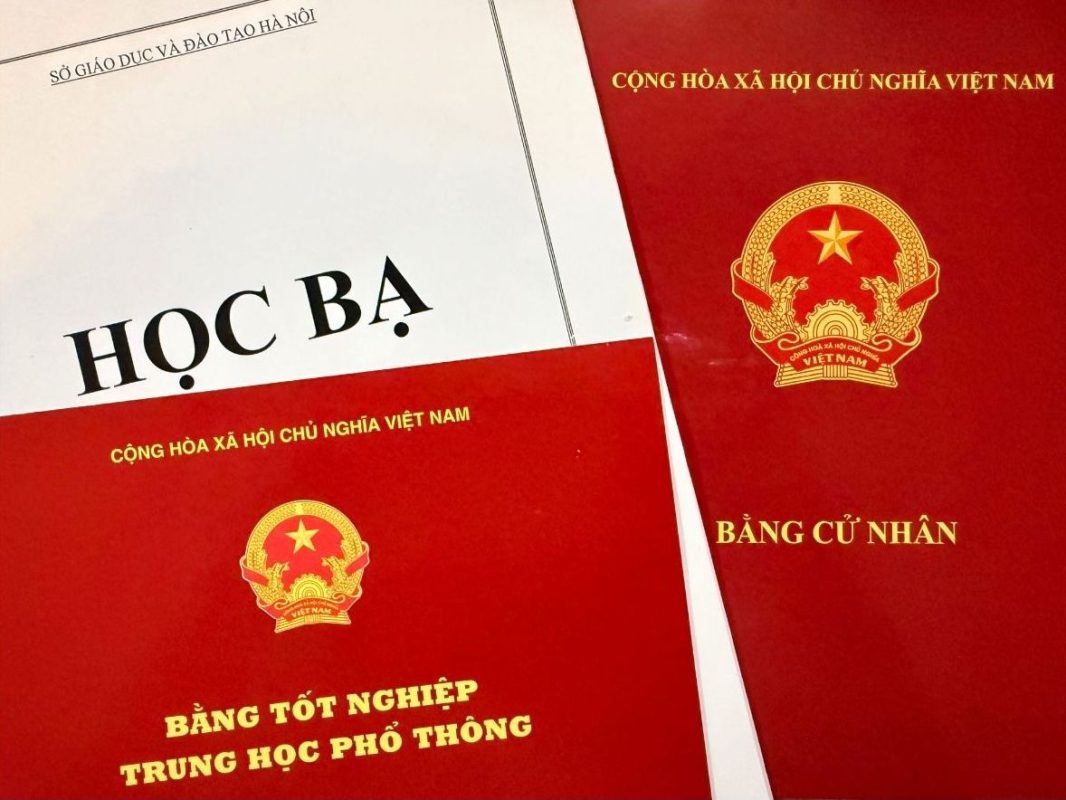
During education, job applications, overseas study, or administrative procedures, diploma notarization is commonly required. A certified copy helps authorities, businesses, and organizations verify the information against the original document.
However, many people still have questions about diploma notarization. When is it required? Must you bring the original diploma? What about foreign-issued diplomas?
How should translation and consular legalization be handled? Let’s explore these questions in detail below.
What Is Diploma Notarization?
In common usage, “diploma notarization” often refers to certifying a copy against the original diploma.
The diploma holder presents the original document to a competent authority or organization. After comparison, the copy is certified for use in an application.
This allows applicants to avoid submitting their original diploma when only a certified copy is required.
For example, you may have an original university diploma and need it for a job application.
Instead of submitting the original to your employer, you can obtain a certified diploma copy for your application.
When Is Diploma Notarization Required?
Depending on your purpose, you may need certified diploma copies in various situations, including:
-
Submitting job applications or recruitment documents;
-
Completing school admission documents;
-
Preparing documents for studying abroad;
-
Applying for postgraduate or other training programs;
-
Completing examination or admission applications;
-
Handling administrative procedures requiring certified diploma copies;
-
Supplementing documents requested by an authority or organization.
Not every situation requires diploma certification.
Therefore, you should check the receiving organization’s requirements before proceeding.
This can help you avoid unnecessary time and expenses.
What Documents Are Required for Diploma Notarization?
For diplomas issued in Vietnam, the required documents are usually straightforward.
First, prepare the original diploma.
This is essential because the competent authority needs it for comparison with the copy.
Second, prepare a photocopy of the diploma.
You can make the photocopy yourself or use photocopying services at the certification location.
Third, prepare identification documents if the authority requires them.
These documents may be requested to verify the applicant’s identity.
Requirements may vary depending on the specific case and location.
If you need several certified copies, determine the required quantity beforehand.
This helps you prepare all necessary copies in advance.
Do You Need the Original Diploma?
This is one of the most common questions about diploma notarization.
If you want to certify a copy against the original, you generally need the original diploma for comparison.
A photocopy alone cannot automatically be certified against the original without a valid basis for comparison.
Therefore, you should bring the original diploma when requesting certification.
You should also bring the required number of photocopies.
After certification, the original diploma is returned to its owner.
The certified copies can then be submitted according to the receiving organization’s requirements.
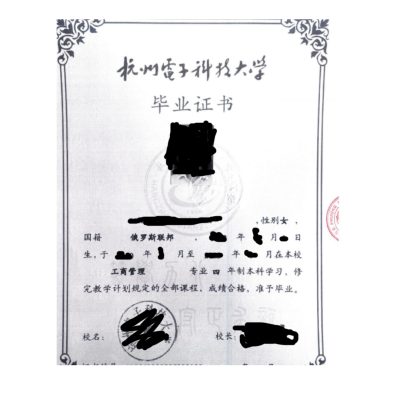
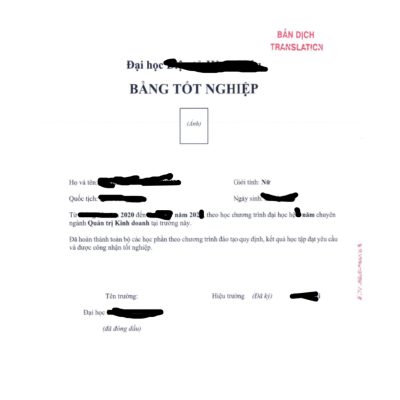
Can Foreign Diplomas Be Notarized?
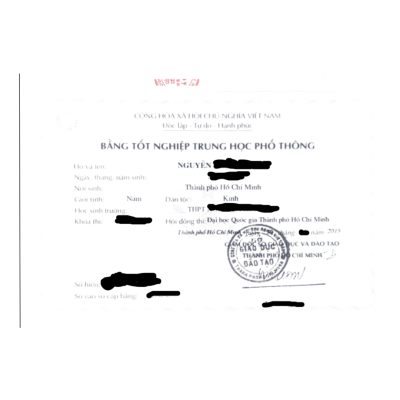
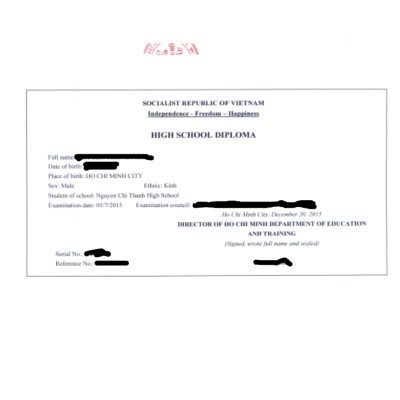
Diplomas issued abroad may require more procedures than Vietnamese diplomas.
If a document is written in a foreign language and used in Vietnam, translation requirements should be considered.
The translated document may also need certification, depending on the specific requirements.
In some cases, foreign documents must undergo consular legalization or consular certification before use in Vietnam.
However, exemptions may apply under Vietnamese regulations or relevant international treaties.
The process may generally follow this sequence:
Foreign diploma → Check legalization requirements → Translate into Vietnamese → Certify the translation → Submit the documents.
However, foreign diplomas do not always follow the same procedure.
The issuing country, document status, and intended use should be determined first.
Where Can You Notarize Your Diploma?
Depending on the procedure, certified copies may be obtained from competent authorities or organizations.
In practice, people often choose commune-level People’s Committees or notarization offices when legally permitted.
It is important to distinguish between certifying a diploma copy and notarizing contracts or transactions.
For diplomas, the purpose may simply be to obtain a certified copy.
Therefore, “notarizing a diploma” should not be understood as contract notarization.
For a specific administrative procedure, check the receiving organization’s requirements beforehand.
This helps you choose the appropriate certification method.
Important Notes on Diploma Notarization
To make diploma notarization easier, carefully check your documents beforehand.
The original document should be clear and free from tears, alterations, or suspicious marks.
If you need several certified copies, prepare the appropriate number from the beginning.
For foreign diplomas, do not translate or certify documents before confirming the receiving authority’s requirements.
Different purposes may involve different documentation requirements.
In particular, documents for overseas study, foreign employment, immigration, or Vietnamese administrative procedures may differ.
The receiving organization may require a certified copy, certified translation, notarization, or consular legalization.
Therefore, always confirm the exact requirements before preparing your documents.
Conclusion
Diploma notarization may seem simple, but incorrect documents or certification methods can cause delays.
For Vietnamese diplomas, the process generally involves presenting the original and certifying a copy.
Foreign diplomas may additionally require translation and consular legalization.
Before proceeding, determine where the diploma was issued, why it will be used, and who will receive it.
Proper preparation can save time, reduce costs, and prevent unnecessary document revisions.
Bài viết liên quan