








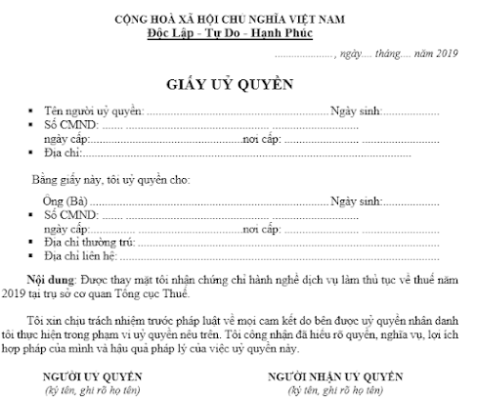
A power of attorney (POA) is an important legal document that authorizes one person to act on behalf of another. It is commonly used in administrative procedures, property transactions, business activities, and international matters. When a POA is submitted to an organization in another country, translation may be required to ensure the document is understood and accepted.
However, not every power of attorney requires a certified translation or consular legalization. The requirements depend on the destination country, the receiving authority, and the purpose of the document. Understanding these requirements can help you prepare your paperwork correctly and avoid unnecessary delays.
What Is a Power of Attorney?
A power of attorney is a legal document that grants one person, known as the attorney-in-fact or authorized representative, permission to act on behalf of another person.
Depending on its contents, a POA may authorize someone to perform tasks such as:
-
Submitting and collecting administrative documents.
-
Representing another person in legal or civil procedures.
-
Managing property or conducting real estate transactions.
-
Handling banking or financial matters.
-
Signing contracts or conducting business transactions.
-
Representing an individual or company before an organization.
The scope of authority depends on the terms specified in the document and applicable laws. Therefore, accurate translation is essential when the POA must be used in a different language.
When Is Power of Attorney Translation Required?
The need for translation depends on where the document was issued and where it will be used.
Using a Vietnamese Power of Attorney Abroad
If a POA issued in Vietnam is submitted to a foreign authority, the receiving organization may require a translation into its official language or another accepted language.
For example, a Vietnamese POA may need to be translated into English when submitted to a foreign company, bank, or administrative authority. Some organizations may also require notarized or certified translation.
Using a Foreign Power of Attorney in Vietnam
A POA issued overseas may need to be translated into Vietnamese before submission to a Vietnamese authority or organization.
Depending on the case, the document may also require consular legalization or another authentication procedure. Certain exemptions may apply under Vietnamese law or relevant international agreements.
Applicants should confirm the specific requirements with the receiving authority before arranging translation.
Handling Property and Civil Transactions
Power of attorney documents are frequently used in property transactions, inheritance procedures, and other civil matters.
For example, a person living abroad may authorize a representative in Vietnam to handle certain property-related procedures. The relevant authority may require a Vietnamese translation and supporting authentication documents.
Because these transactions involve legal rights and obligations, every clause must be translated accurately.
Conducting Business and Administrative Procedures
Companies may use POAs to authorize employees or representatives to sign documents, submit applications, or handle administrative matters.
When a POA is submitted to a foreign partner or organization, translation may be necessary. The receiving party determines whether an ordinary translation is sufficient or whether certification is required.
Does a Power of Attorney Always Need Certified Translation?
No. A certified translation is not automatically required for every power of attorney.
The requirements depend on the receiving authority and the intended use of the document. Some organizations accept ordinary translations, while others require translations certified by a competent authority or prepared through an accepted procedure.
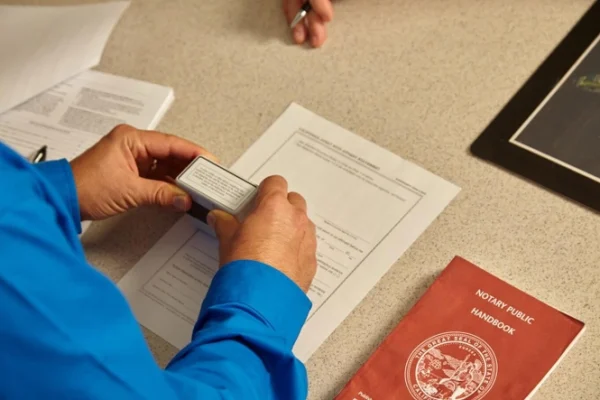
It is also important to distinguish between certifying the translation and notarizing the power of attorney itself. These are different procedures and serve different purposes.
Before translating a POA, you should confirm the following:
-
The language required by the receiving authority.
-
Whether translation certification is mandatory.
-
Whether the original document must be notarized.
-
Whether consular legalization or another authentication procedure is required.
-
Whether the receiving organization has specific formatting requirements.
Confirming these details in advance can help prevent repeated submissions and additional costs.
What Information Must Be Translated Accurately?
A power of attorney contains important information that may affect the rights and responsibilities of the parties involved. A professional translation should preserve the meaning and structure of the original document.
Key information includes:
-
Personal or company details: Names, identification numbers, addresses, and relevant registration information.
-
Scope of authorization: The specific actions the authorized representative may perform.
-
Rights and obligations: The responsibilities and limitations of each party.
-
Validity period: The effective date, expiration date, and any conditions for termination.
-
Property or transaction details: Relevant addresses, asset descriptions, contract information, or financial details.
-
Signatures and seals: Information identifying the signatories and any official seals appearing in the document.
Names, dates, identification numbers, and legal terminology require particular attention. Even a small error may cause difficulties during document review.
What Should You Prepare Before Translation?
To help ensure an efficient translation process, prepare the following materials where applicable:
-
The complete original power of attorney or a clear copy.
-
Identification documents or company information, if required.
-
Supporting documents related to the intended transaction.
-
Instructions from the receiving authority regarding language and certification.
-
Information about any legalization or authentication requirements.
If the document contains handwritten notes, stamps, signatures, or attachments, make sure they are visible and included when necessary.
You should also inform the translation provider about the destination country and the purpose of use. This information helps determine the appropriate translation format and whether additional procedures may be needed.
Bài viết liên quan