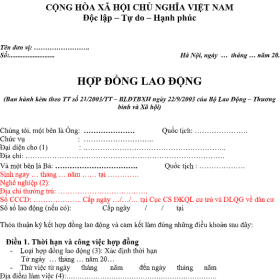









Have you ever read a sentence in English, Chinese, or another language and found it deeply meaningful? However, when translating that sentence into Vietnamese, the result may convey the correct meaning but lose its original emotion. This is one of the interesting aspects of translation. Translation is not simply about converting languages. It also involves conveying messages, emotions, and cultural nuances.
Why Are Inspirational Quotes Difficult to Translate?
Inspirational quotes are often short but contain layers of meaning. A few words can express hope, courage, perseverance, or a particular attitude toward life. Translating each word individually may produce a stiff and unnatural result.
Furthermore, different languages express emotions in different ways. A familiar English expression may not have an exact equivalent in Vietnamese. Translators must understand the overall message before choosing an appropriate expression for the target audience.
What Is the Difference Between Accurate Meaning and Emotional Accuracy?
Accurate translation helps readers understand the information conveyed by the original sentence. Emotional accuracy requires translators to consider tone, context, and the impact of the words on readers.
For example, “Keep going” can be translated into Vietnamese as “Continue moving forward.” However, in an encouraging message, “Keep trying” or “Don’t give up” may be more appropriate, depending on the context.
Importantly, a longer translation is not necessarily better. A good translation preserves the original spirit while using natural and accessible language.
The Role of Culture in Translation
Language is closely connected to culture. Some expressions only become meaningful when readers understand the social background, communication habits, or values of the community using them.
For example, an idiom may use imagery familiar in Western culture but unfamiliar to Vietnamese readers. A literal translation may confuse readers or distort the original message. In such cases, translators must balance preserving the original imagery with choosing an equivalent expression in the target language.
This is also why transcreation is widely used in advertising, communications, and branding. Its goal is not merely to convey information. It also aims to create a similar emotional response among the target audience.

What Makes a Good Translation?
Translating short but meaningful quotes requires several skills. First, translators must understand the original message accurately, including its direct and implied meanings. They must then use language flexibly to create natural expressions suited to the context.
Translators should also consider their target audience. A quote for social media may require a friendly and conversational tone. An inspirational quote used in a speech may need more formal wording.
Finally, reviewing and refining the translation is essential. Sometimes, changing one word or adjusting the sentence structure can make the message clearer and more emotionally effective.

Translation Is More Than Looking Up Words
Dictionaries and translation tools can help translators check vocabulary, verify terminology, and explore alternative expressions. However, these tools cannot always identify emotional nuances or cultural meanings in specific contexts.
Skilled translators know when to translate closely, when to adapt the wording, and when to research the background further. This judgment helps make translations natural, accurate, and persuasive.
These skills are useful not only for inspirational quotes but also for advertising, website content, company introductions, and communication materials.
Professional Translation Services at Asian Translation and Interpretation Company
Asian Translation and Interpretation Company approaches each document according to its purpose, target audience, and language requirements. For communication materials, advertising copy, and brand introductions, natural wording that suits the target audience’s cultural background can improve the effectiveness of the message.
Professional translation focuses not only on accuracy but also on clarity, consistency, and contextual appropriateness. These qualities help preserve the original content’s value and purpose.
Conclusion
Translating a short sentence sometimes requires more thought than we might expect. A good translation does not always need to follow every original word. Instead, it should convey the intended meaning and create an appropriate response in readers.
By combining language skills, cultural understanding, and flexible expression, translators can transform simple words into meaningful messages that resonate with their audiences.
Bài viết liên quan