










When watching foreign films, you may notice that their translated titles sometimes differ significantly from the originals. Some titles are translated almost word for word, while others are completely rephrased. Why does this happen? Is it because of inaccurate translation, or is there another reason behind these changes?
In fact, translating movie titles is not simply about finding equivalent words. Translators must also consider cultural differences, audience expectations, the film’s genre, and marketing strategies. This is why creative translation plays an important role in the international film industry.
Why Can’t Movie Titles Always Be Translated Literally?
Literal translation may preserve the original meaning, but it does not always convey the same feeling to audiences in another language. A title that sounds appealing in English might seem awkward, confusing, or uninteresting when translated directly into Vietnamese or Chinese.
For example, some English titles contain idioms, wordplay, cultural references, or expressions that are difficult to reproduce naturally in another language. Translating them word for word may cause audiences to misunderstand the intended meaning.
Therefore, translators must understand the context behind a title before choosing the most suitable translation. The goal is not merely to preserve the words, but also to communicate the original intention and appeal.
Cultural Differences Influence Movie Title Translation
Culture has a significant impact on how people understand language. An expression that is familiar to audiences in one country may have little meaning for viewers elsewhere.
When translating a movie title, translators need to consider local customs, cultural references, humor, and audience preferences. A title may be adapted to make it easier to understand or more attractive to the target audience.
For instance, a title containing a cultural reference might be replaced with a more familiar expression. This approach helps audiences understand the film’s general theme without requiring extensive background knowledge.
However, cultural adaptation must be handled carefully. A translation that changes too much may distort the film’s original message or create expectations that the story cannot fulfill.
Movie Genre and Emotion Also Matter
A movie title often provides the audience’s first impression of a film. It may suggest romance, comedy, horror, action, or adventure before viewers even watch the trailer.
Therefore, translators must consider the film’s genre and emotional tone when selecting a title.
For a romantic film, the translation may emphasize love, longing, or emotional connection. For a horror film, it may highlight suspense, mystery, or fear. For a comedy, the title may need to sound humorous and memorable.
A technically accurate translation may still be ineffective if it fails to communicate the film’s atmosphere. A good movie title translation should preserve the intended meaning while creating a suitable emotional response.
Marketing Is Another Important Factor
Movie titles are not only linguistic expressions. They are also important marketing tools.
A title that is easy to remember, pronounce, and recognize can help attract audiences. Distributors may therefore choose a localized title that better suits the target market.
For example, a translated title might emphasize the main character, the central conflict, or the most exciting aspect of the story. In some cases, the title may be substantially different from the original to make it more appealing to local viewers.
This does not necessarily mean the translation is incorrect. Instead, it may reflect a deliberate decision to balance meaning, cultural relevance, and commercial appeal.
Nevertheless, marketing considerations should not override the film’s actual content. A misleading title can create false expectations and affect the audience’s experience.
Examples of Different Approaches to Movie Title Translation
Movie titles can be translated in several ways, depending on their meaning, cultural context, and intended audience.
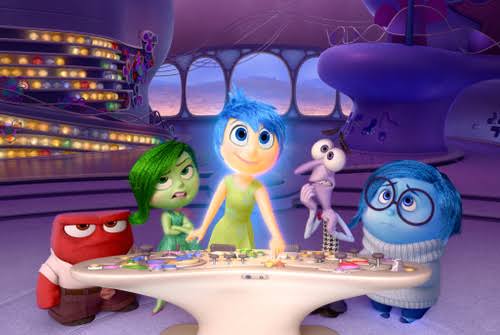
Inside Out: The Vietnamese title Những mảnh ghép cảm xúc emphasizes the film’s emotions and its central concept. Rather than translating the English words literally, it communicates the story’s theme in a way that Vietnamese audiences can understand.
Frozen: The Vietnamese title Nữ hoàng băng giá highlights the icy setting and the central female character. This localized title gives audiences a clearer impression of the fantasy story.

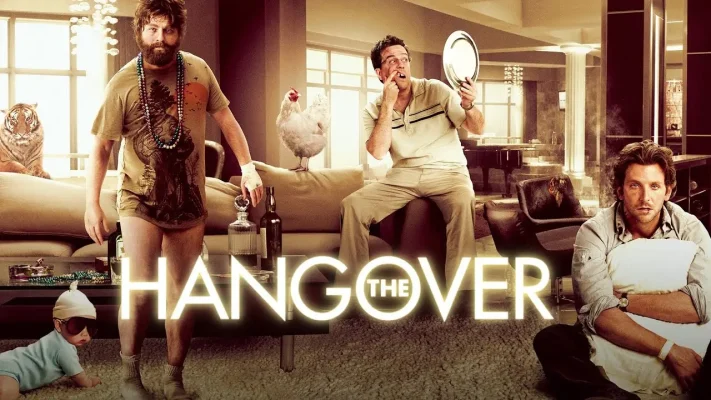
The Hangover: The original title refers to the unpleasant effects of drinking too much alcohol. Translating it requires consideration of the film’s adult comedy genre and the cultural associations of the phrase. A literal translation may not fully convey the film’s humor or appeal.
These examples illustrate that translators can use different strategies, including literal translation, semantic adaptation, cultural substitution, and creative rewriting. The most appropriate approach depends on the individual title and its intended audience.
Creative Translation Is Different from Ordinary Translation
Ordinary translation often focuses on conveying the meaning of a source text accurately and naturally. Creative translation, however, may require greater flexibility in wording, structure, and expression.
Movie titles, advertising slogans, brand names, and promotional content are common examples of texts that benefit from creative translation.
A translator working on a movie title needs to consider several factors:
-
Meaning: What does the original title communicate?
-
Context: How does the title relate to the film’s story and characters?
-
Culture: Will the target audience understand its references?
-
Emotion: What feelings should the title evoke?
-
Marketing: Is the translated title memorable and appealing?
-
Consistency: Does the title accurately represent the film’s content?
Creative translation does not mean changing the original meaning without justification. Instead, it means finding an effective way to communicate the original intention in another language.
What Is the Process of Translating a Movie Title?
A professional translation process usually begins with understanding the film’s content and the meaning of its original title. Translators may review the synopsis, characters, genre, dialogue, and cultural references before proposing suitable alternatives.
The next step is to compare possible translations. Each option should be evaluated for accuracy, naturalness, emotional impact, and suitability for the target audience.
If several languages are involved, translators must also consider how the title works across different cultural contexts. A phrase that sounds natural in Vietnamese may not have the same effect in Chinese or English.
Finally, the chosen title should be reviewed to ensure that it is clear, memorable, and consistent with the film’s identity.
For commercial releases, the final decision may also involve distributors, marketing teams, and copyright or licensing considerations.
Why Choose a Professional Translation Service?
Translating creative content requires more than language proficiency. It also requires cultural awareness, contextual understanding, and the ability to communicate ideas naturally.
A professional translation service can help businesses and content creators adapt their materials for different audiences. This may include movie-related content, subtitles, promotional materials, advertising slogans, brand messages, and other multimedia content.
Asian Translation Company provides translation services for multiple languages and various types of documents and content. Depending on the project, clients can receive support with language selection, terminology consistency, content adaptation, and proofreading.
For businesses expanding into international markets, professional translation can help ensure that messages remain clear, appropriate, and consistent across languages.
Frequently Asked Questions About Movie Title Translation
Why are some movie titles translated differently from their originals?
Translators may adapt titles to account for cultural differences, idioms, humor, audience preferences, and marketing objectives. A localized title can communicate the film’s meaning more effectively than a literal translation.
Is a different movie title translation necessarily incorrect?
No. A title can differ from the original while still conveying its central idea and emotional appeal. However, the translation should not misrepresent the film’s content.
What skills do movie title translators need?
They need strong language skills, cultural knowledge, creative thinking, and an understanding of the film’s context. Marketing awareness can also help them choose memorable and appealing titles.
What is creative translation?
Creative translation adapts the wording and expression of a source text to preserve its intended message and effect. It is commonly used for movie titles, advertising, slogans, and other creative content.
Can creative translation be used for business content?
Yes. Creative translation can help businesses adapt advertising campaigns, brand messages, promotional materials, and multimedia content for international audiences.
Conclusion
Foreign movie titles are often translated differently from their originals because translation involves more than replacing words between languages. Cultural differences, film genres, emotional impact, and marketing considerations all influence the final choice.
A successful movie title translation preserves the film’s core message while making it natural and appealing to the target audience. This requires linguistic accuracy, cultural understanding, and creative judgment.
If you need professional translation or multilingual content adaptation, Asian Translation Company can help you find an approach suited to your materials and target audience.
Contact Asian Translation Company
-
Hotline: 093 223 7939
-
Website: dichthuatchaua.com
We provide translation, certified translation, and multilingual content services to support your communication needs.
Suggested SEO keywords: creative translation, movie title translation, cultural adaptation, localization services, multimedia translation.
Bài viết liên quan