







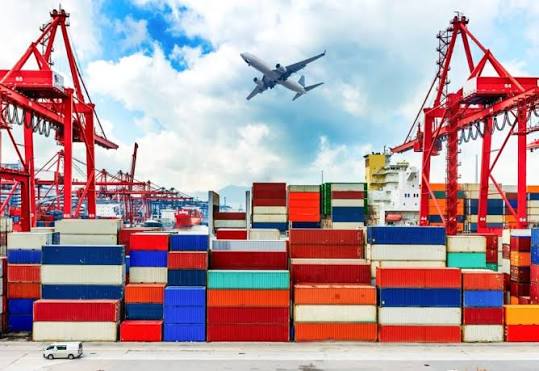
Import and export activities involve many documents and records. These documents contain important information about goods, businesses, contracts, and shipments.
When documents are submitted to foreign partners or authorities, translation may be required. Accurate translation helps prevent misunderstandings and delays during international transactions.
What Are Import and Export Documents?
Import and export documents are records used during international trade activities. They support contracts, customs procedures, transportation, payment, and delivery.
These documents may be prepared in Vietnamese, English, Chinese, Korean, Japanese, or other languages.
Depending on the transaction, some documents may need to be translated into another language.
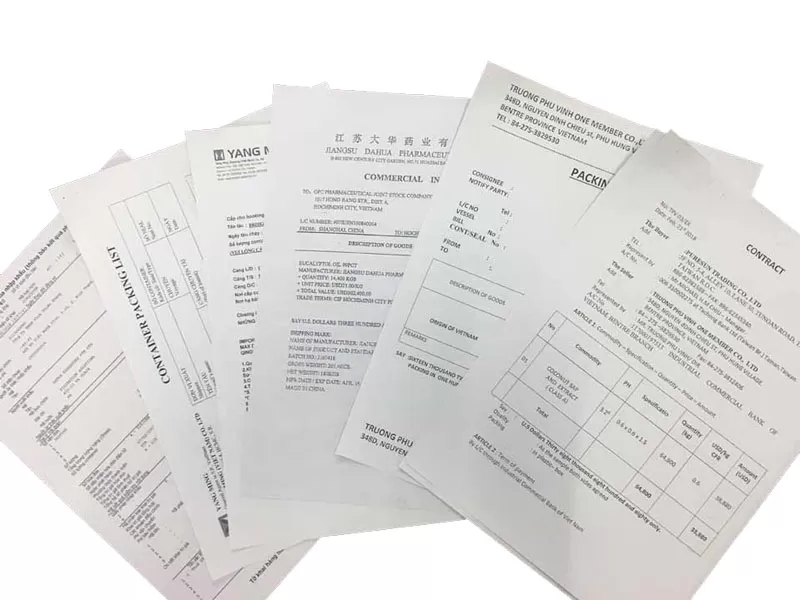
Which Import and Export Documents Usually Need Translation?
Several documents are commonly translated during international trade transactions.
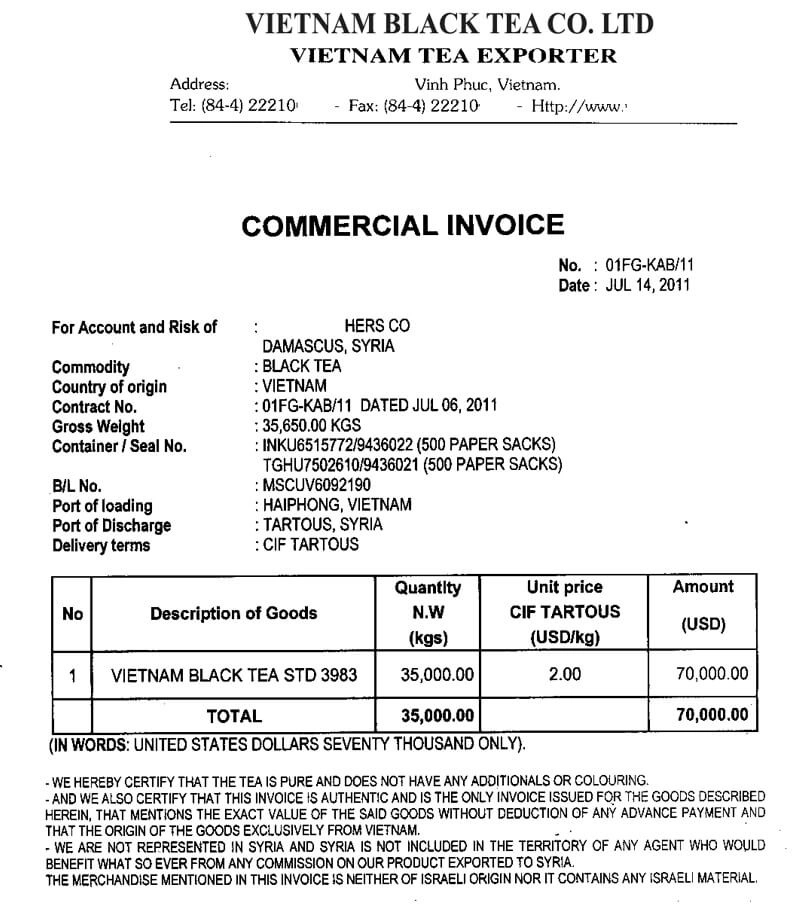
Commercial Invoice
A Commercial Invoice contains information about the goods and transaction value.
It usually includes the seller, buyer, product name, quantity, unit price, and total value.
Translation may be required for customs procedures or foreign business partners.
Packing List
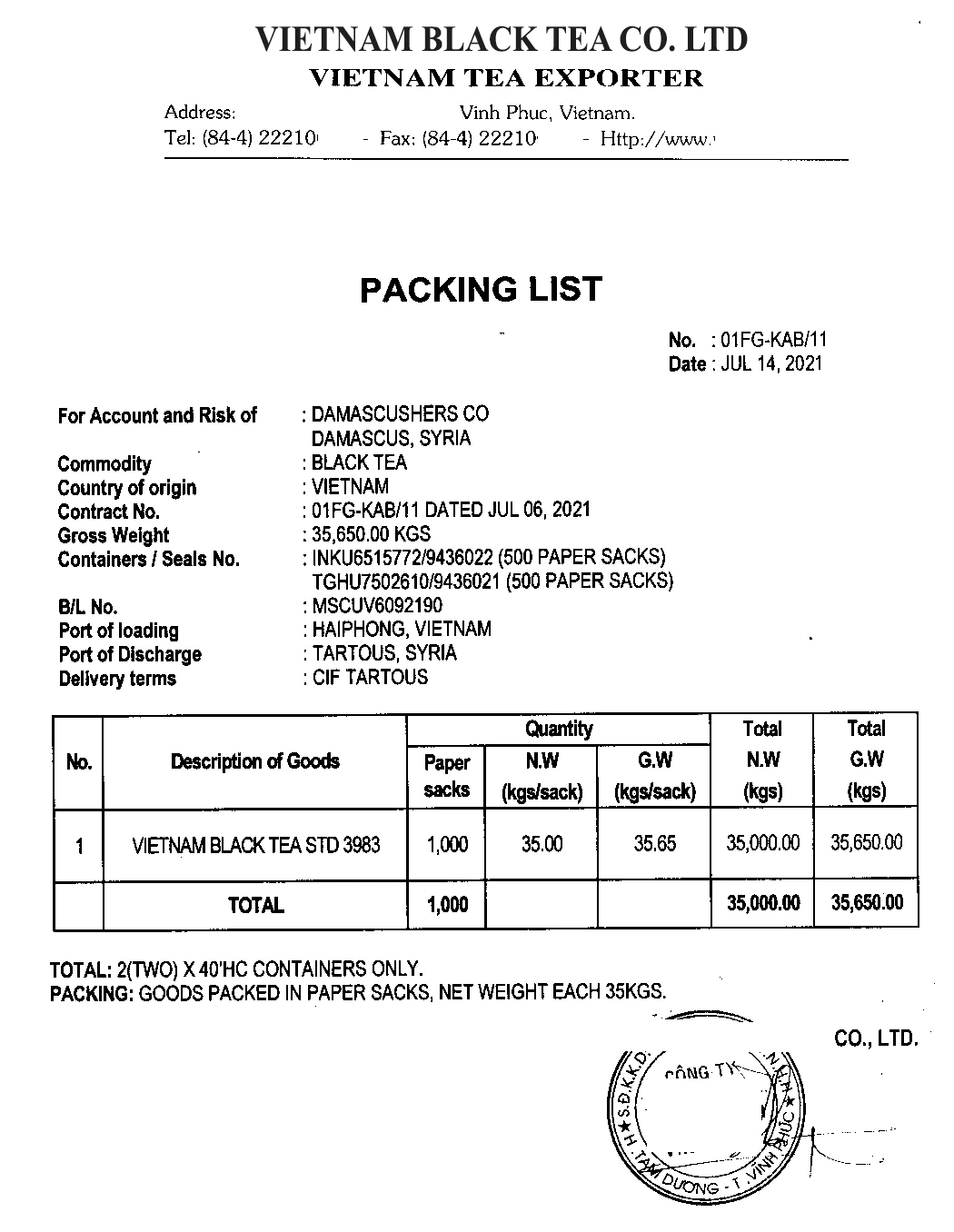
A Packing List provides detailed information about the packaging and shipment.
It may include the number of packages, product quantity, weight, dimensions, and packaging type.
Accurate translation helps ensure that shipment information remains consistent.
Bill of Lading
A Bill of Lading is an important transportation document.
It contains information about the shipper, consignee, carrier, goods, and destination.
Translation may be required when documents are submitted to foreign organizations or authorities.
Certificate of Origin
A Certificate of Origin, also called a C/O, identifies the origin of exported goods.
It can be important for customs procedures and preferential tariffs.
When the receiving party requires another language, the C/O may need translation.
Sales Contract
A Sales Contract records the terms agreed between the buyer and seller.
It may contain information about products, prices, payment, delivery, and responsibilities.
Accurate translation is important because contractual terms can have legal and financial consequences.
Purchase Order
A Purchase Order records a buyer’s request to purchase specific goods or services.
It usually contains product information, quantities, prices, and delivery requirements.
Translation may be required when working with foreign suppliers or customers.
When Do Import and Export Documents Need Translation?
Translation requirements depend on the purpose of the documents.
Translation may be necessary when:
-
Documents are submitted to foreign authorities.
-
Foreign partners request documents in their language.
-
Customs procedures require translated documents.
-
Documents are used for international contracts.
-
Businesses need to submit documents to banks or organizations.
-
Documents are used for legal or administrative procedures.
-
Companies need bilingual documents for internal management.
Not every document requires notarized translation.
The receiving organization should be consulted before choosing the appropriate translation format.
What Information Should Be Checked During Translation?
Import and export documents contain many numbers and technical details.
The translator should carefully check the following information:
-
Company names and addresses.
-
Names and descriptions of goods.
-
Product codes and specifications.
-
Quantities and units.
-
Weight and dimensions.
-
Unit prices and total values.
-
Contract and invoice numbers.
-
Bill of Lading numbers.
-
Dates and shipment information.
-
Ports of loading and destination.
-
Buyer and seller information.
-
Delivery and payment terms.
Even a small error can cause inconsistencies between different documents.
Therefore, translators should compare related documents carefully before completing the translation.
Common Errors When Translating Import and Export Documents
Import and export documents often contain specialized terms and numerical information.
Common errors include incorrect product names, units, numbers, or company information.
Another common problem is inconsistent terminology between documents.
For example, the same product name should be translated consistently throughout the Commercial Invoice and Packing List.
Incorrect translation of delivery terms or contractual clauses can also cause misunderstandings.
Professional translation helps reduce these risks.
How Does Import and Export Document Translation Work?
A professional translation process usually includes several steps.
First, the translator reviews the original documents and identifies their purpose.
Next, the translator checks specialized terminology and important information.
The document is then translated while preserving its original meaning and structure.
After translation, the content should be carefully reviewed.
Numbers, names, dates, product information, and technical terms should receive special attention.
If required, the translated document can then be prepared for notarization or certification.
Why Should You Use Professional Translation Services?
Import and export documents directly relate to international business activities.
Errors can affect customs procedures, payments, transportation, or communication with foreign partners.
Professional translators understand commercial and trade terminology.
They can also check important information across multiple documents.
Using a professional translation service can help businesses:
-
Reduce translation errors.
-
Maintain consistent terminology.
-
Save time when preparing documents.
-
Improve communication with foreign partners.
-
Support customs and administrative procedures.
-
Prepare documents according to specific requirements.
For documents requiring notarized translation, professional support can also help ensure proper preparation.
Import and Export Document Translation Services
Asian Translation Company provides translation services for various import and export documents.
Our services can cover Commercial Invoices, Packing Lists, Bills of Lading, C/O documents, contracts, and other trade documents.
Documents can be translated between Vietnamese, English, Chinese, Korean, Japanese, and other languages.
Depending on the purpose, we can also support notarized translation and document preparation.
Before translation, the document requirements should be checked carefully.
This helps ensure that the final translation is suitable for its intended use.
Frequently Asked Questions
Do all import and export documents need translation?
No. Translation depends on the receiving organization and the purpose of each document.
Does a Commercial Invoice need notarized translation?
Not always. The requirement depends on where and how the document will be used.
Can a Bill of Lading be translated into English?
Yes. A Bill of Lading can be translated when another party requires an English version.
Can multiple trade documents be translated together?
Yes. Translating related documents together can help maintain consistent terminology and information.
How long does import and export document translation take?
The processing time depends on the document type, length, language pair, and required format.
Conclusion
Import and export documents play an important role in international trade.
Commercial Invoices, Packing Lists, Bills of Lading, C/O documents, and contracts may require translation.
Accurate translation helps businesses communicate clearly and prepare documents properly.
For important documents, professional translation is a practical way to reduce errors and delays.
Bài viết liên quan