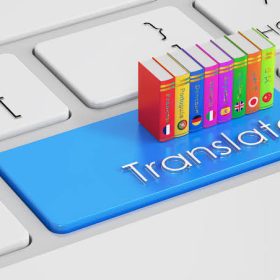







As digital technology continues to develop, software and mobile applications have become essential tools for businesses. Companies increasingly seek international customers and need products that support multiple languages. Software and app translation helps businesses overcome language barriers, improve user experiences, and expand into global markets.
However, translating software involves more than converting words from one language into another. It requires technical knowledge, consistent terminology, and an understanding of local cultures. Professional translation and localization help ensure that software works effectively for users in different countries.
What Is Software and App Translation?
Software and app translation involves translating the language displayed in software, websites, mobile applications, and digital platforms. The process may include interface text, instructions, notifications, error messages, and technical documentation.
Software localization goes further than translation. It adapts a product to the linguistic, cultural, and technical requirements of a specific market. This may involve changing date formats, currencies, measurement units, images, and other user interface elements.
For example, an application entering the Vietnamese market may need Vietnamese interface text, local date formats, and familiar payment terminology. These adjustments help users understand and navigate the application more easily.
What Types of Content Require Software Translation?
Depending on the product, businesses may need to translate several types of digital content.
User interface content: This includes buttons, menus, navigation labels, settings, notifications, and other text displayed within the application. Translations should be concise, clear, and consistent.
User manuals and technical documentation: Installation guides, operating instructions, troubleshooting materials, and technical specifications help users understand how to use the product correctly.
Website and marketing content: Product descriptions, landing pages, promotional materials, and frequently asked questions introduce software to potential customers. These translations should reflect the brand’s tone and local communication preferences.
System messages and error notifications: These messages guide users through different processes and explain problems. Accurate translations help users identify issues and follow the appropriate steps.
Privacy policies and terms of service: Digital products may also require translations of legal documents, data protection notices, and user agreements. These materials require particular attention to terminology and legal meaning.
Why Is Professional Software Translation Important?
Expanding into international markets: Supporting multiple languages allows businesses to reach users who may not understand the original language. This can help increase market visibility and attract new customers.
Improving user experience: Clear interface text makes software easier to navigate. Users can understand features, complete tasks, and resolve common problems with greater confidence.
Building brand credibility: Consistent, natural translations create a more professional impression. Poorly translated content, by contrast, can make a product appear unreliable.
Reducing misunderstandings: Inaccurate technical terms or confusing instructions may lead to incorrect usage. Professional translation helps minimize these risks.
Maintaining consistency across platforms: Businesses often provide products on websites, desktop software, and mobile applications. Consistent terminology creates a unified experience across different platforms.
Common Challenges in Software Translation
Software translation presents several challenges that require careful handling.
Limited interface space: Buttons, menus, and notifications often have strict character limits. A translation may be accurate but too long for the available space.
Technical terminology: Software development involves specialized terms. Translators must understand their meanings and use appropriate equivalents consistently.
Context-dependent wording: A short word may have different meanings depending on its function. Translators need sufficient context to select the correct translation.
Cultural differences: Colors, symbols, images, and expressions may carry different meanings across markets. Localization helps ensure that content remains appropriate for the target audience.
Frequent updates: Software products change regularly. New features and interface updates require translation teams to maintain consistency across versions.
Language and encoding issues: Different languages require different character sets and text layouts. Some languages also need additional interface space or specific text-direction support.

The Professional Software Translation Process
A structured workflow helps improve translation quality and project efficiency.
Content analysis: The translation team reviews the software, identifies the target languages, and determines the scope of work.
Terminology preparation: Technical terms, product names, and interface labels are standardized before translation begins.
Translation and localization: Qualified translators adapt the content to the target language and local context while preserving the original meaning.
Editing and proofreading: The translated content is reviewed for accuracy, grammar, terminology, consistency, and readability.
Technical testing: Where access and project requirements permit, translated text is checked within the software interface. This helps identify display problems, truncated text, and formatting errors.
Final review and delivery: The team checks the completed materials and delivers them in the required format.
How to Choose a Reliable Software Translation Provider
Businesses should consider several factors when selecting a translation provider.
First, review the provider’s experience with technical and digital content. Familiarity with software terminology helps reduce errors and improve consistency.
Second, ask about the translation and quality assurance process. A reliable provider should have clear procedures for translation, editing, proofreading, and terminology management.
Third, confirm that the provider can handle the required file formats and project specifications. This is especially important when working with interface strings, spreadsheets, software resource files, or technical documents.
Finally, discuss confidentiality, delivery schedules, revision policies, and ongoing support. These factors become particularly important for software projects involving frequent updates or sensitive information.
Software Translation Services at Dịch thuật Châu Á
Dịch thuật Châu Á provides translation services for businesses and individuals who need accurate, professional multilingual content. Depending on project requirements, services may include software interface translation, mobile application content, technical documentation, user manuals, and website materials.
Our translation process focuses on terminology consistency, clear communication, and suitability for the intended audience. Each project is reviewed according to its language requirements and content type.
If your business plans to introduce software or applications to international markets, professional translation can help you communicate more effectively with users. Contact Dịch thuật Châu Á to discuss your project, target languages, and delivery requirements.
Bài viết liên quan