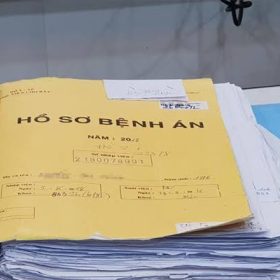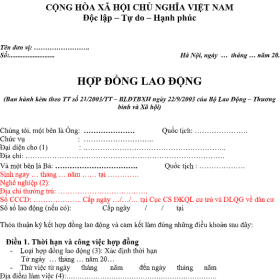










Academic transcripts are important documents for education and employment applications. When applying for overseas study, scholarships, university transfers, or jobs with foreign companies, applicants may need transcripts in English or another language. Therefore, transcript translation must be accurate to ensure that academic information is presented clearly and consistently.
However, not every situation requires notarized or certified translation. Depending on the purpose and the receiving institution’s requirements, a standard translation may be sufficient. Other cases may require notarization, certification, or additional procedures. So, when should you translate your transcript? What documents should you prepare? Which details matter most?
What Is Transcript Translation?
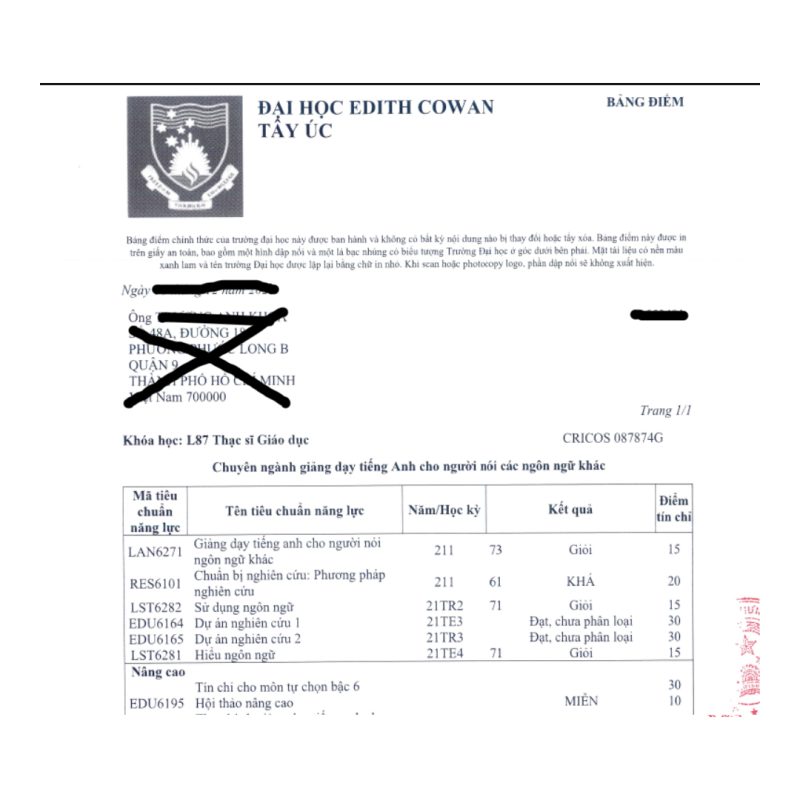
Transcript translation involves converting the content of an academic transcript from one language into another. Common language combinations include Vietnamese to English, Chinese, Korean, Japanese, and French.
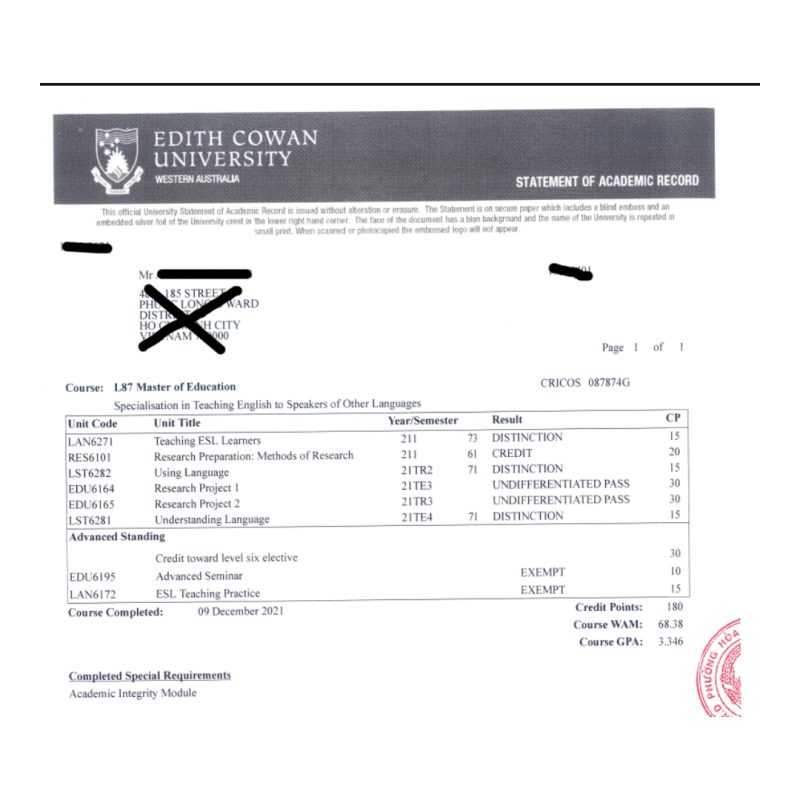
An academic transcript typically includes the student’s name, student ID, institution, major, course names, credits, grades, grade point average, academic classification, and institutional confirmation details. Depending on the institution, it may also include semesters, academic years, conduct results, or grading-system explanations.
Translators must ensure completeness, accurate educational terminology, and consistency throughout the document. Course names, grading methods, credit values, and program details must be handled carefully. This allows receiving institutions to compare the translation with the original.
When Do You Need Transcript Translation?
Translating Transcripts for Study Abroad
Universities, colleges, and other overseas educational institutions may require transcripts during admission. Depending on the program, applicants may need high school transcripts, university transcripts, or academic records covering several years.
A translated transcript helps overseas institutions understand an applicant’s academic background and performance. Some institutions accept applicant-provided translations. Others require certified translations or documents prepared according to specific procedures.
Translating Transcripts for Scholarship Applications
Scholarship applications often require academic records to evaluate applicants’ abilities and achievements. The translation must accurately reflect course names, grades, grade point averages, and other relevant information.
If a scholarship program specifies document formats, grade-conversion methods, or translation-provider requirements, applicants should review those instructions before arranging translation.
Translating Transcripts for Transfers or Credit Recognition
When transferring schools, entering another academic program, or continuing education overseas, transcripts may help institutions evaluate completed courses and corresponding grades.
Accurate translation of course names, credits, and grading systems is particularly important in these cases. Translators should not independently convert grades or declare equivalent grading standards without appropriate evidence or instructions from the relevant educational institution.
Translating Transcripts for Job Applications
Some foreign companies and employers may request transcripts to review applicants’ academic backgrounds. This requirement depends on the position and the employer’s recruitment process.
If the employer needs the transcript for reference only, a standard translation may be sufficient. For formal procedures, applicants should confirm whether certification, notarization, or additional documentation is required.
Does Transcript Translation Require Notarization?
This is a common question when preparing application documents. In practice, not every transcript requires notarized translation. The requirements depend on the document’s purpose, applicable regulations, and the receiving institution’s instructions.
Common situations include:
-
Standard translation only: This may be sufficient when a school or employer accepts the translation for reference and requires no additional legal confirmation.
-
Translator’s signature certification or another appropriate procedure: Such procedures may be necessary when regulations or receiving institutions require confirmation of the translation or translator’s identity.
-
Consular legalization or related procedures: Some documents intended for overseas use may require verification of signatures, seals, or issuing authorities. Requirements depend on the destination country, document type, and applicable regulations.
Notarization or certification does not automatically guarantee that the receiving institution will recognize the academic results. Before proceeding, applicants should confirm the required language, number of copies, certification format, and original-document requirements.
Key Information to Check When Translating Transcripts
Several details require particular attention to ensure translation quality.
Names and personal information: Names should match the passport or other identification documents used in the application. Name order may differ between languages, so translators should follow the receiving institution’s instructions.
Institution and major names: The names of schools, faculties, majors, and academic programs must be translated accurately. If an institution has an official English name, that name should generally be used.
Course names and academic terminology: Course names should accurately reflect the subjects taught. Established academic terminology should be preferred over mechanical word-for-word translation.
Grades and credits: All numbers, decimal points, credits, and grade point averages must be checked carefully. Translators should not convert grading systems without a clear requirement and an appropriate basis.
Layout and remarks: The translation should preserve the table structure, course order, and necessary remarks whenever possible. This makes the document easier to review against the original. Stamps, signatures, confirmation sections, and handwritten notes must also be handled according to the translation requirements.
What Documents Should You Prepare for Transcript Translation?
Customers should generally prepare the following materials:
-
The original transcript or a clear, complete copy.
-
A readable scan or photograph without cropped edges, blurred text, or obscured information.
-
The required target language.
-
The intended use of the transcript and the destination country.
-
Instructions from the school, employer, or receiving institution, if available.
-
The required number of translated copies and any notarization or certification requirements.
If the transcript contains multiple pages or course appendices, provide all relevant documents together. This helps the translation provider assess the scope of work and prepare an accurate quotation.
Why Choose Professional Transcript Translation Services?
Academic transcripts contain numerous figures and specialized educational terms. Even a small error in a grade, course name, or personal detail may require corrections or additional submissions.
Professional translation providers can maintain consistent terminology, check figures against the original, and present the translation clearly. Experienced providers may also help customers identify requirements that need verification before notarization, certification, or other procedures.
Dịch thuật Châu Á (Asian Translation Company) provides multilingual translation services for academic records and personal documents. Customers can inquire about target languages, turnaround times, pricing, and suitable certification procedures based on their intended use.
Frequently Asked Questions About Transcript Translation
How Long Does Transcript Translation Take?
Processing time depends on the number of pages, target language, document clarity, and certification requirements. Short, clear transcripts are generally easier to process than lengthy documents with complex tables. Submit your document to receive a more specific timeline.
Can You Translate a Transcript from a Photograph?
Translation providers can generally assess and translate content from clear photographs or scanned copies. However, notarization or certification may require the original document or other materials specified by the relevant authority.
Do Both Transcripts and Diplomas Need Translation?
This depends on the requirements of the school, employer, or receiving institution. Some applications require both diplomas and transcripts, while others request only one document.
Does an English Transcript Need to Be Translated Again?
If the institution has already issued the transcript in English and it meets the receiving institution’s requirements, another translation may not be necessary. However, applicants should still check whether notarization, institutional confirmation, or additional procedures are required.
Conclusion
Transcript translation is an important step when preparing documents for overseas study, scholarship applications, academic transfers, and certain job applications. To minimize errors, applicants should carefully verify personal information, course names, grades, and the receiving institution’s requirements.
Whether notarization or additional certification is necessary should depend on the specific application requirements. It should not be assumed that every transcript requires the same procedures.
If you need to translate transcripts into English, Chinese, Korean, Japanese, or another language, Dịch thuật Châu Á (Asian Translation Company) can provide professional consultation and translation services tailored to your needs.
SEO Keywords: transcript translation, English transcript translation, notarized transcript translation, academic document translation, study abroad transcript translation, university transcript translation.
DỊCH THUẬT CHÂU Á – Success is the sum of sincerity and goodwill.
Website: https://dichthuatchaua.com
Hanoi Hotline: 093.223.2318 | Tel: 024 3990 3758
Ho Chi Minh City Hotline: 093.223.7939 | Tel: 086 682 9216
Email: hanoi@dichthuatchaua.com – saigon@dichthuatchaua.com
Hanoi Office: No. 25, Alley 81 Lang Ha Street, Thanh Cong Ward, Ba Dinh District.
Ho Chi Minh City Office: 27 Nguyen Van Giai Street, Da Kao Ward, District 1.
Tan Binh Office: 1st Floor, 86/12 Pho Quang Street, Ward 2.
Bài viết liên quan