







In manufacturing, construction, import and export, and technology transfer, technical document translation plays an important role in communication between businesses, partners, and specialists across countries. An accurate translation helps readers understand technical specifications, operating procedures, user instructions, and product or equipment requirements.
However, technical translation involves more than converting content from one language into another. Translators must understand specialized terminology, interpret context, and maintain consistency throughout the document. Even a small error in a specification, measurement unit, or operating instruction can cause difficulties during practical use.
So, what should businesses consider when translating technical documents? How can they choose a translation service that delivers accurate and reliable results?
What Is Technical Document Translation?
Technical document translation is the process of translating materials related to machinery, equipment, engineering, manufacturing, electronics, information technology, and other specialized fields. Its purpose is to convey the technical information in the source document accurately while ensuring that the translation is clear and natural.
Unlike ordinary documents, technical materials often contain specialized terms, specifications, symbols, tables, and detailed procedures. Translators must therefore focus on both linguistic accuracy and terminological consistency.
Depending on business needs and target markets, technical documents may be translated between Vietnamese, English, Chinese, Japanese, Korean, German, and other languages.
Which Technical Documents Commonly Require Translation?
Technical translation supports a wide range of business and industrial activities. Common types of documents include the following.
Machinery and Equipment User Manuals
These documents explain how to install, operate, maintain, and use machinery. Translations must present each step clearly, including safety warnings and the conditions required for proper operation.
Maintenance and Repair Documents
Maintenance materials often include inspection procedures, service schedules, component replacement instructions, and troubleshooting methods. Accurate translations help technicians understand the requirements and reduce confusion during practical work.
Technical Drawings and Design Documents
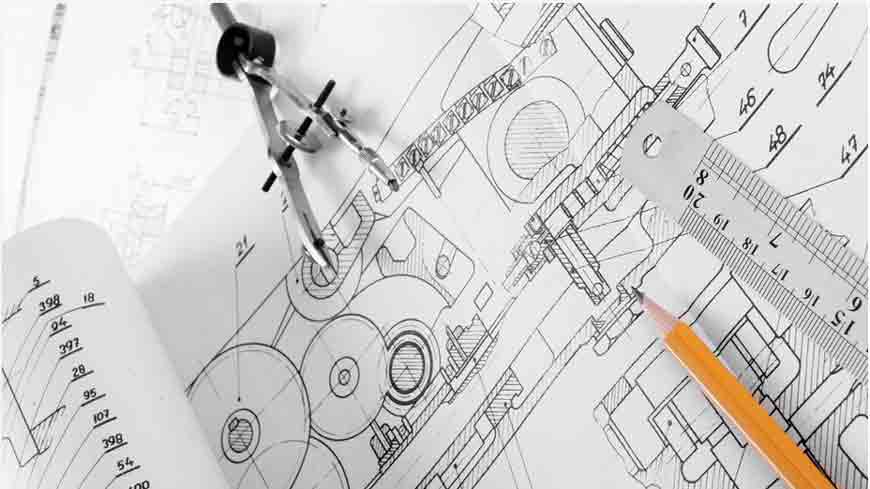
Construction drawings, mechanical drawings, electrical diagrams, and design documents may contain labels, technical symbols, dimensions, and other engineering requirements. Translators must preserve essential information and organize the translated content to match the original document.
Product Documentation and Technical Specifications
This category includes equipment specification sheets, product catalogues, product descriptions, data sheets, and other documents describing technical features. Translations should present information clearly and consistently for easy reference.
Technical Documents for Manufacturing and International Trade
Companies involved in international trade may need translations of manufacturing processes, technical standards, inspection documents, packaging instructions, and product quality records. The translation must meet the intended purpose and the recipient’s requirements.
Why Is Accuracy Essential in Technical Translation?
Ensuring Accurate Specialized Terminology
Every technical field has its own terminology. The same word may have different meanings in mechanical engineering, electronics, construction, or information technology.
If translators misunderstand the context, they may mistranslate terms or use inconsistent expressions. This can make documents harder to understand and may affect work processes.
Preserving Technical Specifications and Measurement Units
Technical specifications, dimensions, power ratings, voltage, temperature, and pressure must be checked carefully. Translators should not change numerical values or convert measurement units without specific instructions.
Symbols, decimal separators, and unit formats must also follow the appropriate conventions and remain consistent. Checking these details helps prevent errors during practical use.
Communicating Procedures and Safety Warnings Correctly
Operating manuals and maintenance documents often contain critical instructions. If a translation changes the sequence of operations, omits necessary conditions, or fails to communicate a safety warning clearly, users may struggle to follow the instructions correctly.
Therefore, translations must preserve the meaning, sequence, and importance of each instruction in the source document.
Maintaining Consistency Throughout the Document
A technical document may use the same term across multiple chapters, tables, and illustrations. If a component is translated differently in different sections, readers may assume the terms refer to separate parts or functions.
Creating a glossary and standardizing terminology before translation helps improve readability and makes future updates easier.
Common Mistakes in Technical Document Translation
Several common errors can significantly affect translation quality.
Translating technical terms according to their everyday meanings: Some words have specific meanings in specialized fields. Relying only on general dictionary definitions without considering context may produce inaccurate translations.
Incorrect numbers or symbols: Entering a wrong digit, confusing decimal separators, or omitting a symbol can change the original technical information.
Inconsistent terminology: Using different names for the same component or process in one document can confuse readers.
Incorrect formatting: Disorganized tables, captions, headings, or text within illustrations can make it difficult to compare the translation with the original.
Omitted content: Small notes, figure captions, safety warnings, and appendices may be overlooked during translation.
To minimize these issues, businesses should choose a translation provider with relevant industry experience and a clear quality control process.
The Professional Technical Translation Process
A structured translation workflow helps maintain quality and reduce errors throughout a project.
Step 1: Receive and review the documents. The translation provider checks the file format, page count, source language, target language, and technical field.
Step 2: Identify terminology and translation requirements. Key terms, technical symbols, and formatting conventions are established to ensure consistency across the document.
Step 3: Translate the content. Translators work from the source text, considering the technical context and the client’s intended use.
Step 4: Proofread and review technical details. The translation is checked for terminology, numerical values, measurement units, spelling, and content completeness.
Step 5: Check formatting and deliver the files. Tables, images, headings, and overall layout are reviewed before delivery.
Depending on the project’s complexity, the workflow can be adjusted to meet specific requirements for quality, turnaround time, and output format.
How to Choose a Technical Translation Provider
Businesses should consider several important factors when selecting a technical translation service.
First, the provider should have experience with the relevant technical field. Specialized knowledge helps translators avoid mechanical, word-for-word translations and produce content suited to its context.
Second, businesses should review the provider’s proofreading process, terminology management methods, and ability to handle formats such as Word, Excel, and PDF. For documents containing tables and illustrations, formatting requirements should be discussed in advance.
Confidentiality is another important consideration, especially when documents contain technological know-how, manufacturing specifications, or internal data. Businesses should clarify how files are received, stored, and handled.
Finally, the parties should agree on translation fees, delivery times, file formats, and any additional requirements before the project begins.
Technical Translation Services at Asian Translation Company
If your business needs to translate machinery manuals, product catalogues, technical files, or documents for manufacturing and international trade, choosing the right service can save time and help maintain content quality.
Asian Translation and Interpretation Company (Dịch thuật Châu Á) provides multilingual translation services for various types of documents. Depending on the project, clients can discuss the technical field, file format, terminology requirements, and delivery deadlines.
Clients can submit scanned copies or electronic files for an initial consultation. This allows the company to assess the translation scope, target languages, estimated turnaround time, and expected costs. Reviewing the documents in advance helps clarify requirements and determine a suitable translation approach.
Frequently Asked Questions About Technical Translation
What types of documents require technical translation?
Technical translation may include machinery manuals, maintenance documents, technical drawings, electrical diagrams, product catalogues, equipment specifications, and manufacturing-related technical files.
Do technical documents require specialized translators?
It is advisable to choose translators with experience in the relevant field. Specialized knowledge helps them understand terminology, procedures, and essential technical specifications accurately.
Can technical documents be translated from English into Vietnamese?
Yes. Depending on business needs, technical documents can be translated from English into Vietnamese or between Vietnamese, Chinese, Japanese, Korean, and other languages.
How long does technical document translation take?
Turnaround time depends on the number of pages, content complexity, language pair, file format, and proofreading requirements. Clients should submit their documents in advance so the provider can estimate a suitable timeline.
How are technical translation fees calculated?
Fees generally depend on the target language, document volume, technical complexity, file format, and deadline. Documents containing extensive tables or technical drawings may require an individual assessment before a quotation is provided.
Conclusion
Technical document translation requires a combination of language skills, specialized knowledge, and a rigorous quality control process. A high-quality translation must use accurate terminology, preserve technical data, communicate instructions clearly, and maintain a layout suited to the original document.
For businesses in manufacturing, construction, technology, and international trade, professional translation can support international communication and help reduce avoidable errors.
If you need technical documents translated into English, Chinese, Japanese, Korean, or another language, contact Asian Translation Company for advice tailored to your requirements.
Contact Asian Translation and Interpretation Company
-
Hotline: 093 223 7939
-
Website: dichthuatchaua.com
We provide multilingual translation services to help businesses communicate information clearly and effectively in international markets.
Suggested SEO Keywords: technical document translation, English technical translation, machinery manual translation, technical drawing translation, specialized technical translation.
Bài viết liên quan